


Understanding halal certification: what to look for
Halal appears on many packs. Sometimes as a seal, sometimes just as a word. At first glance both look equally binding, yet they say different things. Anyone buying meat online cannot handle the goods beforehand. That makes it all the more useful to understand what a halal certification confirms and what it leaves open.
What a halal certification actually confirms
A certificate is confirmation from an inspecting body that a business or a product met defined requirements at a particular point in time. Depending on the standard, the inspection covers slaughter, ingredients, cleaning of the equipment and separation from non halal goods. A certificate is therefore a snapshot with a period of validity. It applies to the inspected business and the products named there. It does not automatically apply to everything a retailer carries.
Why there is no single halal certification
Germany and Austria have no state halal certification. Private bodies carry out the inspection, and they interpret their criteria differently. The best known difference concerns stunning before slaughter. Some standards permit certain methods, others rule them out. Interpretations also diverge on additives, on gelatine and on how strictly production lines must be separated. A seal therefore does not answer whether a product matches your personal standard. It tells you which standard was applied. That distinction matters more than it sounds.
How to recognise solid proof
Proof you can actually work with has four features:
- It names the inspecting body, not just a symbol.
- It is assigned to a specific business, usually the abattoir or the processing plant.
- It carries an issue date and a validity period.
- It states what it refers to, meaning species, products or production line.
If one of these features is missing, that is not evidence against the goods. It is a reason to ask. A supplier who takes the subject seriously can answer such a question without evading it. How quickly and how specifically that answer comes often says more than the logo on the pack.
What a seal does not cover
Several stages lie between slaughter and kitchen: butchering, processing, packing, storage and shipping. A certificate for the slaughterhouse says little about those steps. As soon as sausage is made, spices, casings and processing aids come in, and they have to be halal too. In plants that also handle non halal goods, the question of separation is added. Anyone who wants to look closely therefore looks at the whole chain and not just at the front label. With sausages and cold cuts this point matters considerably more than with a single cut of meat.
How we handle it at Reinweide
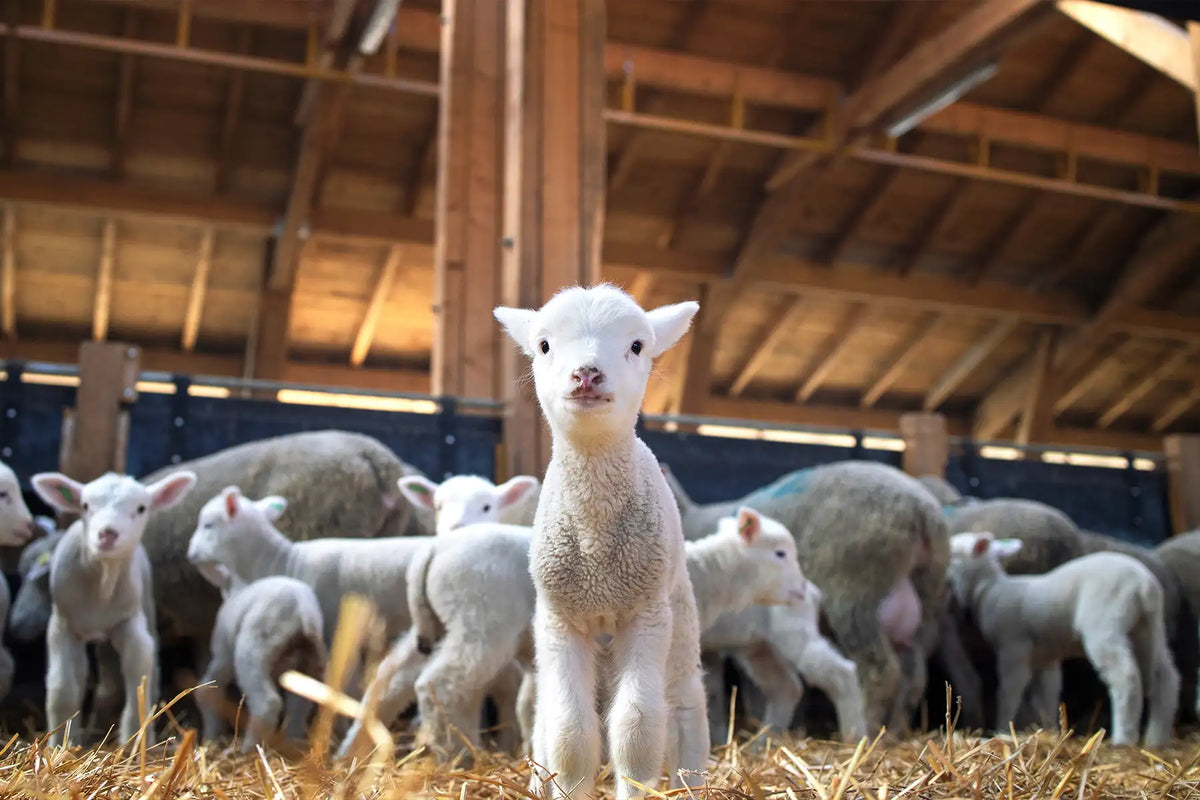
Our range is halal throughout. There are no mixed goods and no exception you would have to hunt for in the small print. The meat comes from Austria, slaughtered and processed to demand rather than for stock. The weekly sequence is fixed: orders close on Sunday at 23:59, on Monday we plan and order, on Tuesday slaughter and processing take place, on Wednesday we pack and dispatch chilled, and delivery is scheduled for Thursday. Fewer intermediate stages mean fewer points at which things can get mixed up. What that looks like for poultry in particular is covered in the article on whether turkey is halal.
If you want to know where a particular product comes from and how it was processed, ask us. You will get a specific answer rather than a stock phrase. For an overview of everything currently available, see our range.
Read more
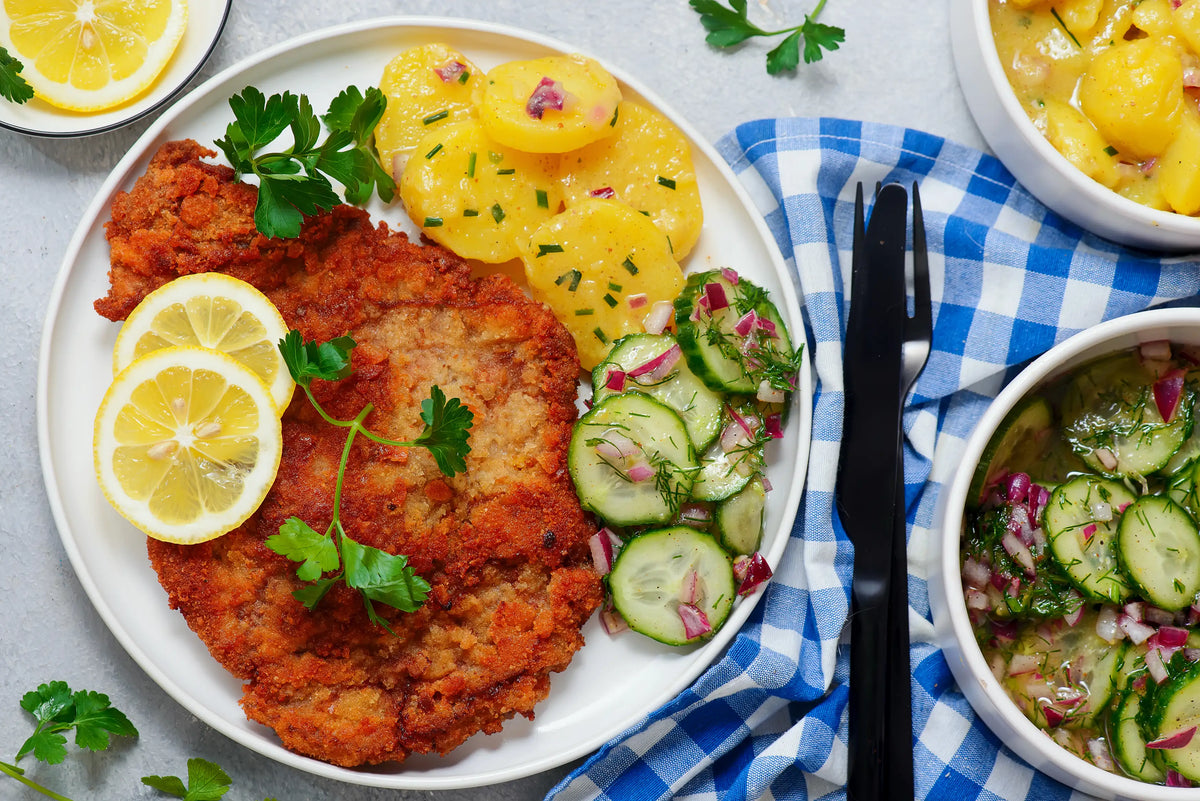
Our meat does not sit in a counter waiting for a buyer. Slaughter happens once your order is in. What that means for freshness, availability and your order day.
How fresh meat stays cold during shipping: insulated packaging, cool packs, express dispatch and a fixed weekly schedule from processing to delivery.