


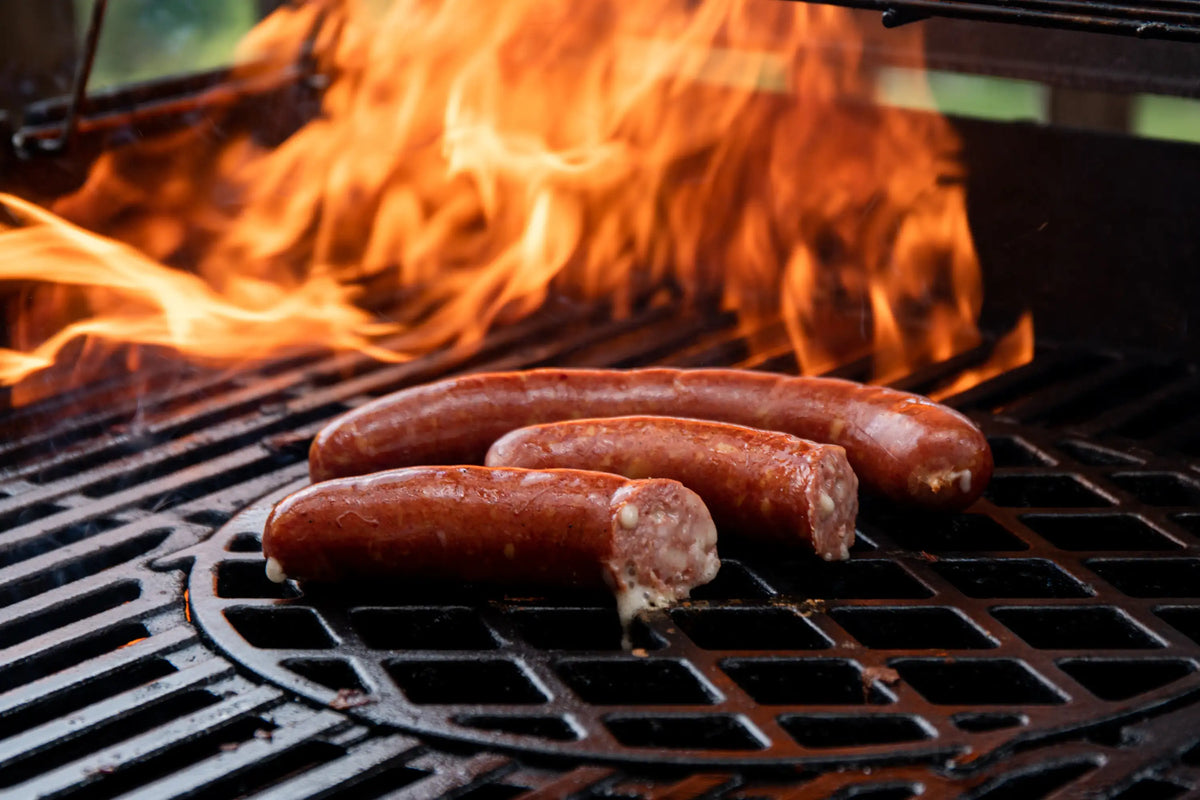
Cooking Käsekrainer: pan, oven and grill
To cook Käsekrainer properly you need medium heat and an intact skin. In the pan they are ready after about eight to ten minutes, in the oven at 180 degrees after roughly fifteen, on the grill over indirect heat about the same. Ready means browned outside, hot inside, the cheese creamy and still in the sausage. As a main course, count on about 200 g per person, the Reinweide pack weighs 400 g.
What you need
- Käsekrainer, about 200 g per person
- one teaspoon of neutral oil for the pan
- mustard, horseradish or pickled gherkins
- dark bread or a bread roll
Nothing else is needed. The sausage brings its own seasoning and fat.
Cooking Käsekrainer in the pan: eight to ten minutes
- 1. Set the pan to medium and spread one teaspoon of oil.
- 2. Put the Käsekrainer in whole, without scoring and without pricking them.
- 3. Turn them every two to three minutes until the skin is browned all round.
- 4. Take them off the heat and let them rest for a minute before cutting.
High heat gains nothing. The skin bursts before the centre is warm, and the cheese ends up in the pan instead of in the sausage.
In the oven: 180 degrees, around fifteen minutes
- 1. Preheat the oven to 180 degrees, top and bottom heat.
- 2. Place the sausages on a lined baking tray, leaving space between them.
- 3. Turn them once halfway through.
- 4. Take them out as soon as the skin has colour and visibly tightens.
The oven is the calmest method because the heat comes from all sides and nothing burns. For four people or more it is the easiest choice.
On the grill: indirect heat instead of open flame
- 1. Set up the grill so that one zone stays free of direct embers.
- 2. Place the Käsekrainer in the indirect zone and close the lid.
- 3. Turn them several times until the skin is evenly browned.
- 4. At the end, move them briefly over the hot zone if you want more colour.
Directly over the embers the skin almost always tears. The melted cheese then drips into the coals and burns there.
Why the Reinweide Käsekrainer is made of beef
The Austrian Käsekrainer is usually made from pork. Reinweide carries no pork, the range consists of beef, veal, lamb, chicken and turkey. The Käsekrainer 400 g is therefore a beef sausage with melting cheese, and halal at Reinweide is not a second line beside a first one but the basis for everything in the range. If you like the bacon coat, take the Berner Würstel 300 g, the same core, wrapped in beef bacon. That shifts the cooking slightly, because the bacon needs contact with the pan or the tray to turn crisp. Over indirect grill heat it stays soft. How sausage quality can be judged in general is covered in the article recognising sucuk quality.
Two mistakes that cost you the cheese
The first mistake is pricking. Many people pierce sausages so they do not burst. With a Käsekrainer that is exactly the opening the melted cheese is looking for. The second mistake is too much heat at the start. The skin contracts while the centre is still cold and tears at its weakest point. Medium heat and a few extra minutes solve both.
Do I have to boil Käsekrainer before frying them?
No. They go straight into the pan, into the oven or onto the grill. If you prefer to heat them in water, keep the water just below boiling point and let the Käsekrainer sit in it for about ten minutes. It should not bubble. The instructions on the packaging always take precedence.
Why does the cheese leak out?
Because the skin has torn. That happens with heat that is too high, with pricking, or when the sausage lies directly over the embers. Once it has happened, the only thing left is to move the Käsekrainer off the hot spot at once and finish heating them gently.
Are Käsekrainer halal?
The classic version made from pork is not. The Käsekrainer from Reinweide is made of beef and melting cheese and is halal, like the whole range. Reinweide does not carry pork, not even in a separate line.
The Käsekrainer 400 g and the Berner Würstel 300 g are listed under sausage specialities. Orders placed by Sunday 23:59 are shipped chilled on Wednesday and arrive on Thursday.
Read more
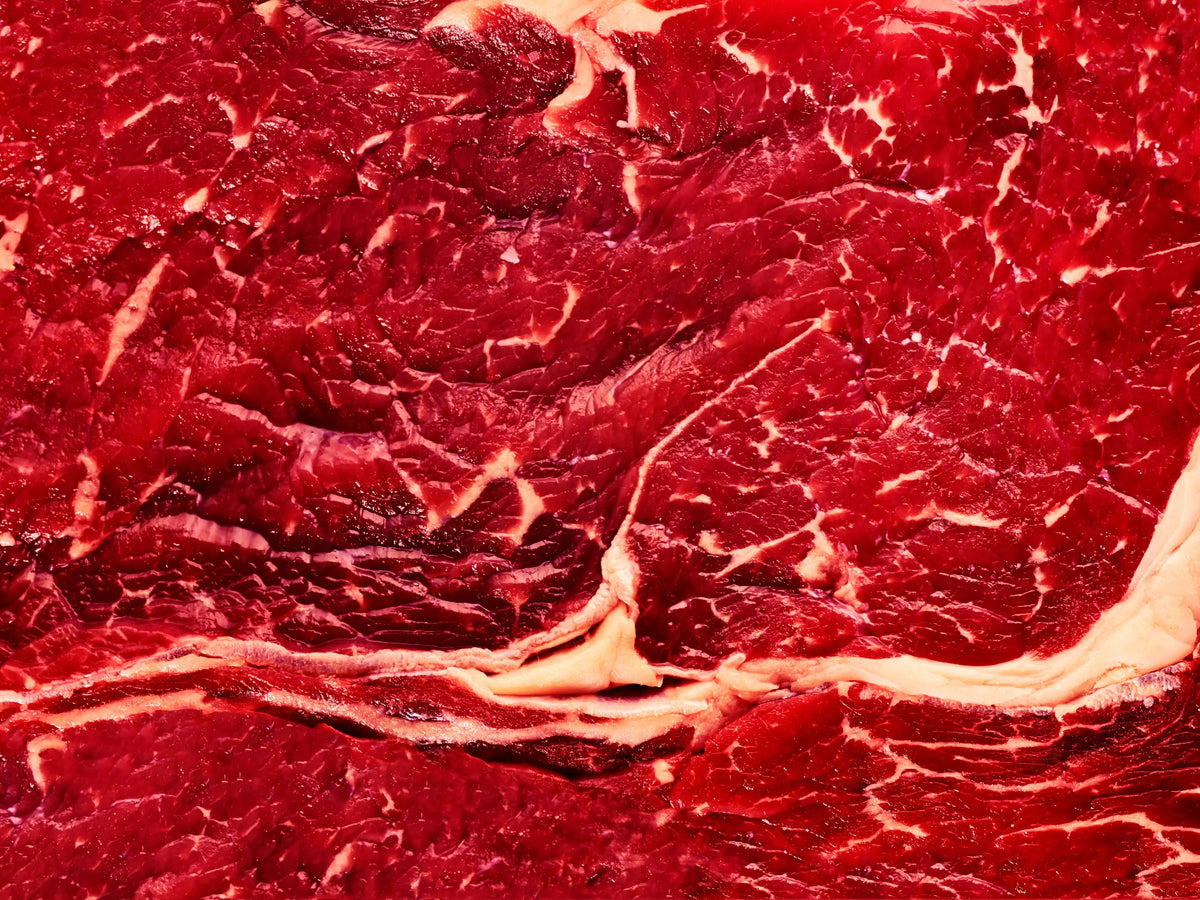
The ingredient list, the cut surface and the way it behaves in the pan say more about a sucuk than any packaging. How to recognise good quality.
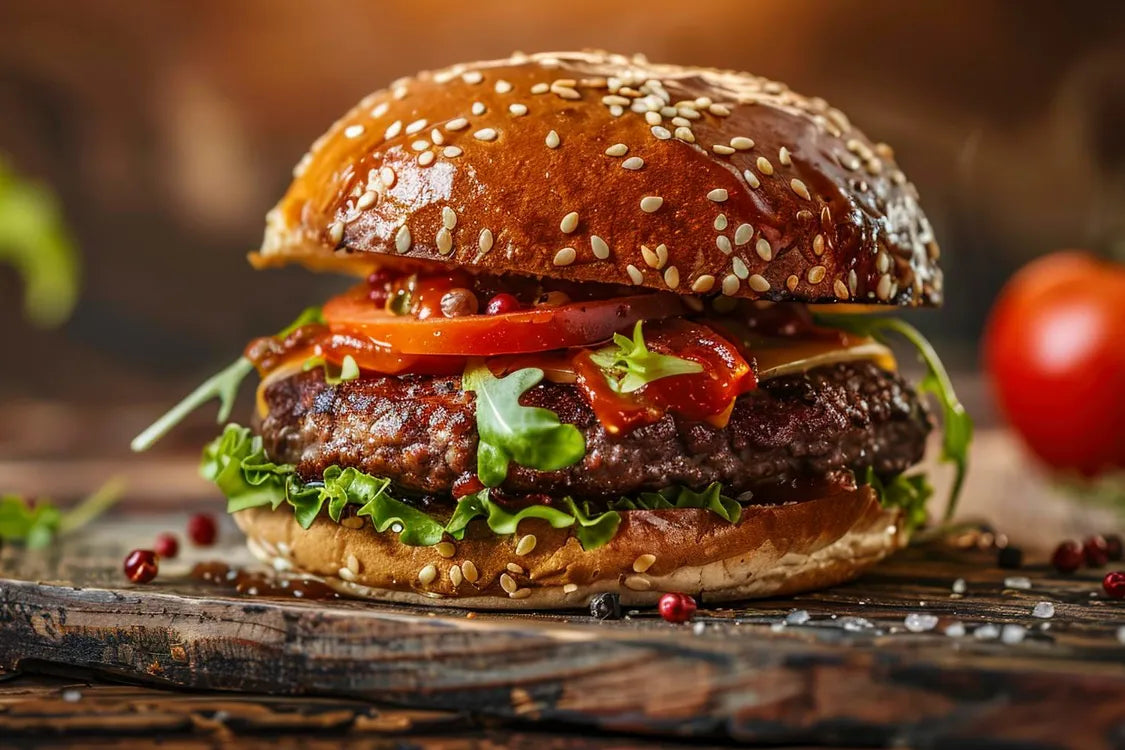
Pan, fat content, doneness: how halal beef burger patties stay juicy and which two mistakes ruin them.