


Beef, veal, lamb: differences in taste and use
At the counter the choice looks simple. On the plate it is not. Beef, veal and lamb differ clearly in taste, colour and use, and anyone who knows the difference shops more precisely and cooks with better results.
Where the difference between beef, veal and lamb comes from
All three come from ruminants, and still they taste very different. What matters is the age of the animal, the feeding and the fat content. The longer a muscle has worked, the stronger the meat tastes and the darker its colour. Fat carries a large part of the aroma too. Beef fat smells and tastes different from lamb fat, which is why you can often identify the species as soon as it hits the pan. Compare it once deliberately and you understand why a beef goulash and a veal goulash are two different dishes.
Beef: robust, deep red and versatile
Beef is the basis of most kitchens. The colour is deep red, the grain pronounced, the taste full and savoury. Quick fried cuts such as rump steak need little more than salt and a hot pan. Cuts with more connective tissue, for goulash say, want time in the pot and repay it with depth. Then there is mince for bolognese, kofte or patties. How to shape and cook patties from it is explained in the article on cooking halal burger patties. If you want to work your way through the range, you will find our beef from Austria here.
Veal: pale, mild and tender
Veal comes from young cattle. The muscles have not worked much yet, so the grain is fine, the colour pale pink and the taste mild. It contains less fat than beef and suits everything that should stay tender: schnitzel, strips, delicate ragout. Precisely because of that low fat content it forgives fewer mistakes with heat. Cook it briefly and under control and it stays juicy. You can find an overview of our veal here.
Lamb: aromatic with a character of its own
You recognise lamb immediately by its aroma. It is more pronounced than beef and veal and has a slightly tart note that comes from pasture feeding and from the fat. In young lamb this note is fine and pleasant rather than intrusive. Leg and shoulder are the classics for braising and the oven, chops belong on the grill or in the pan. Which cut suits which purpose is covered in the post on the cuts of lamb. Lamb is at home in Mediterranean and Middle Eastern cooking, with garlic, rosemary or cumin. Our lamb is available here.
What belongs on the plate and when
For everyday cooking beef is the reliable choice, from a quick mince dish to the weekend braise. Veal fits when things should be refined, a schnitzel with guests at the table for instance. Lamb brings character to a meal and carries strong spices without disappearing behind them. A good approach is to work through the species using the same dish. A beef goulash, a veal goulash, a braised piece of lamb shoulder: same preparation, three different results.
Fresh from Austria, slaughtered to demand
Our beef, veal and lamb come from Austria, halal throughout, and are processed only after your order. Orders close on Sunday at 23:59, slaughter takes place on Tuesday, on Wednesday we pack chilled and dispatch, and delivery is scheduled for Thursday. That way you can order all three in one box and compare the difference at your own stove.
Read more
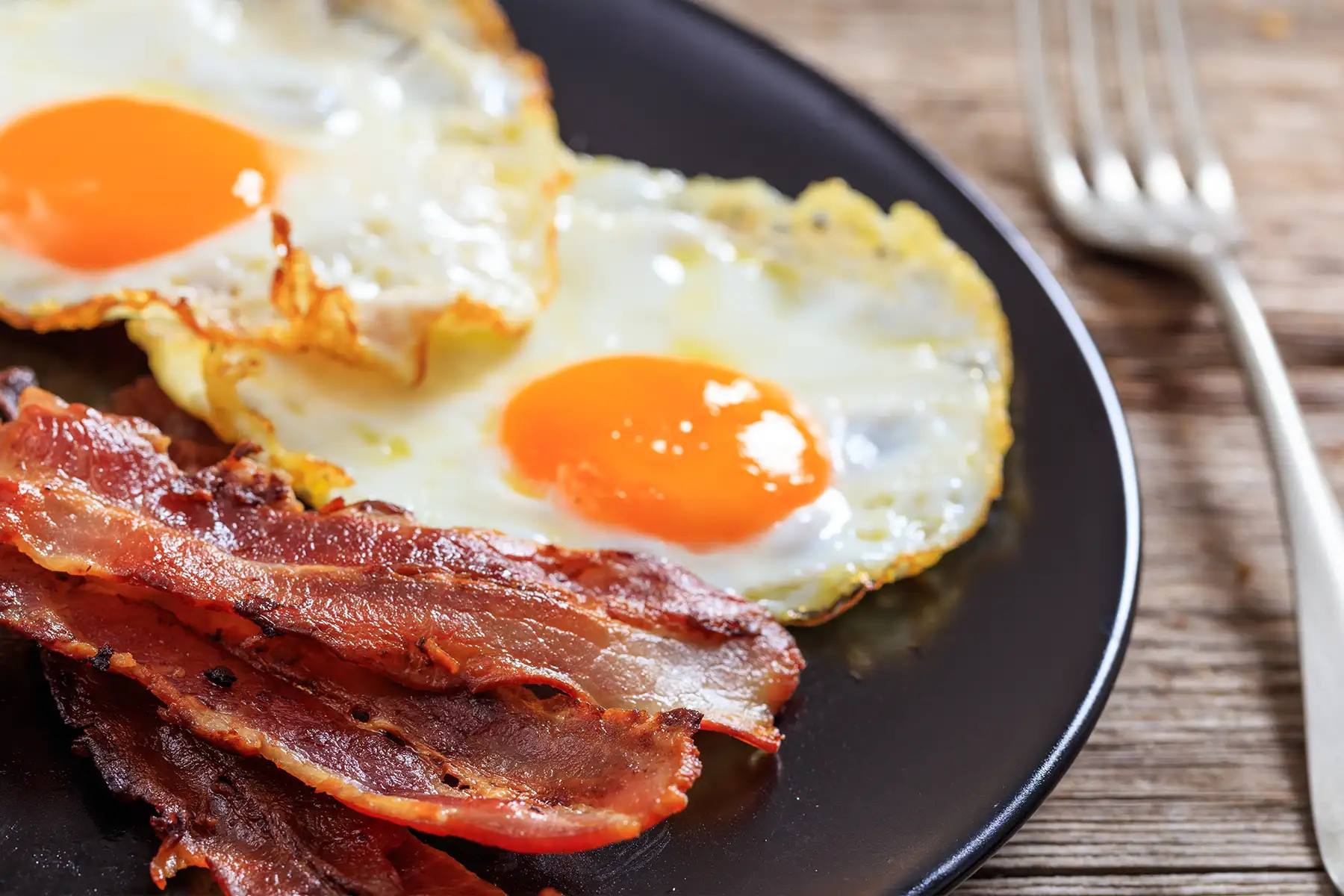
Defrost meat the wrong way and you lose juice, texture and taste. Why the fridge is the best choice, how long to allow and which shortcut is worth taking.
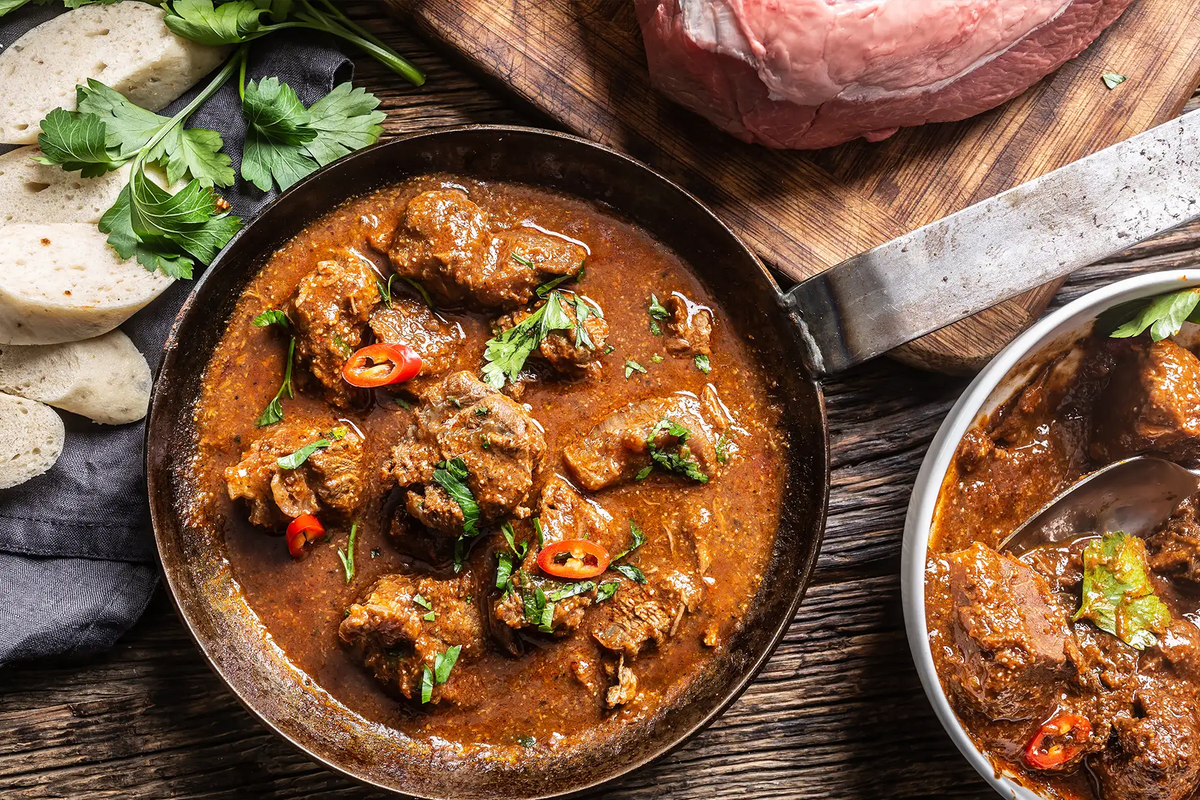
Meat from Austria means one fixed origin instead of changing sources, short distances to dispatch and halal across the whole range. What that means in practice.