


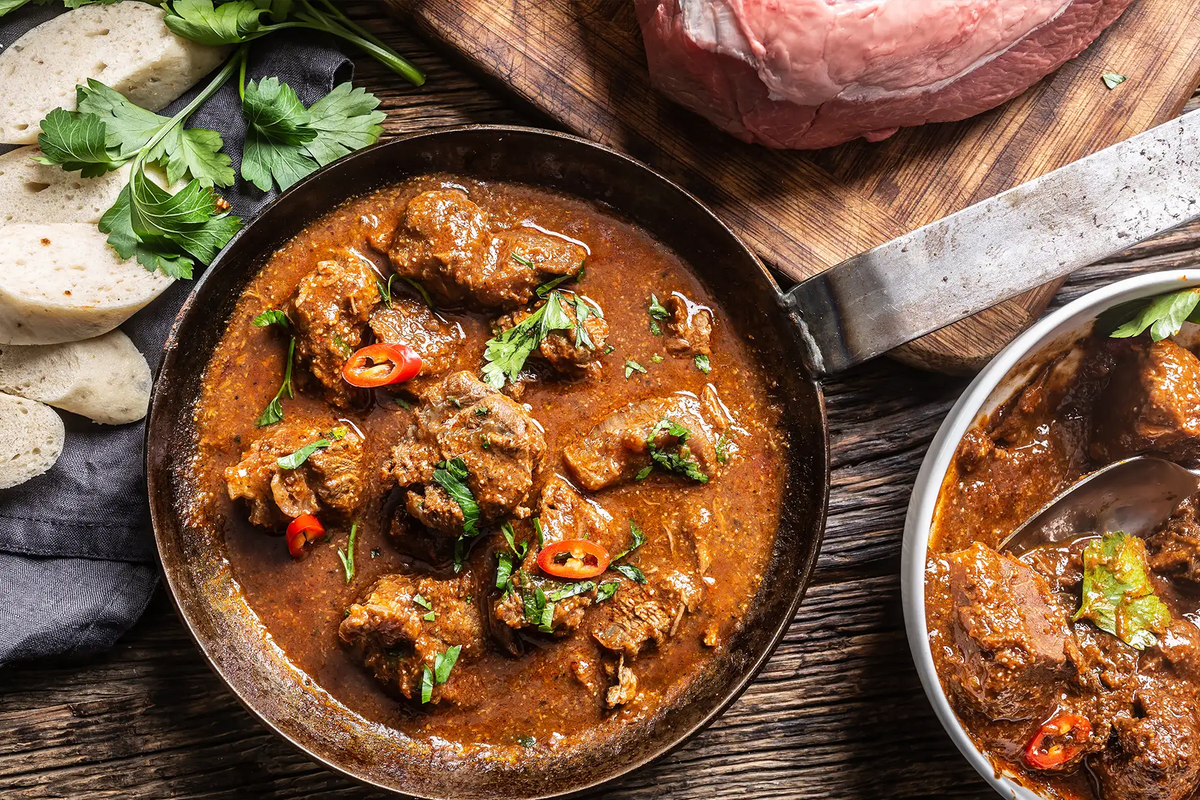
Why meat from Austria: origin, standards and short distances
Most meat packs name a country and little else. Anyone who wants to know more precisely where the meat comes from often finds no answer. We are asked regularly why our meat comes from Austria and what that actually changes in everyday life.
One origin instead of changing sources
At Reinweide, meat from Austria means that beef, veal, lamb and poultry all come from the same country and are not bought together from changing sources depending on the daily price. That sounds unspectacular, but it makes a practical difference. When goods come together from several countries, every question about origin turns into research. With one fixed origin the answer is always the same, whether you ask about the lamb chop or the cold cuts.
That is also why we do not put origin on the home page as a seal and then fall silent about it. It is a purchasing decision, not a marketing one. Where a single product differs, we say so on that product page.
Short distances are not a side note
Austria borders Germany. The distance between processing and dispatch therefore stays manageable, and with fresh meat that is more than a number on a map. Freshness is first of all a question of time. The less time passes between processing, packing and delivery, the less the chilled packaging has to compensate for.
Long transport chains are not automatically bad, they are simply harder to control. Every additional stage means another warehouse, another handover and another point at which the cold chain can be interrupted. We chose the shorter route because it is easier to keep in view.
Halal belongs to the process, not on the label
Our entire range is halal. Slaughter and processing take place in the same country, and there is no second, non halal line running alongside. That is why we do not treat halal as a selling point above everything else, but as a basic condition that has to be met before a product enters the shop at all.
If you want to see the documentation, you can have it. Just ask through the contact form or by email and we will send you the papers for the goods you are interested in.
Why we only slaughter once an order is placed
Origin alone is not enough if the meat then sits in storage for weeks. That is why we work to demand and on a fixed weekly rhythm. Orders close on Sunday at 23:59. On Monday the order goes out, on Tuesday slaughter and processing take place, on Wednesday we pack and hand over to chilled dispatch, and delivery is scheduled for Thursday.
This rhythm means you cannot order on Tuesday and expect a parcel on Wednesday. It also means nobody produces goods on speculation. We have described how this works in detail in a separate article: slaughter to order.
How to recognise a solid origin statement
A few points help when comparing shops, wherever you order:
- The country of origin appears on the product and not just generally in the about us text.
- Exceptions for individual items are named rather than left out.
- The shop explains when processing happens and when dispatch happens.
- On request you receive documents rather than standard phrases.
If those four points hold, there is a good chance the rest runs properly too. If they are missing, the origin statement is in case of doubt just a word on a page.
You can find our range here, from fresh meat through sausages to cold cuts. The origin is stated on every item.
Read more

Beef, veal and lamb compared: how to tell them apart and what each one is suited to.
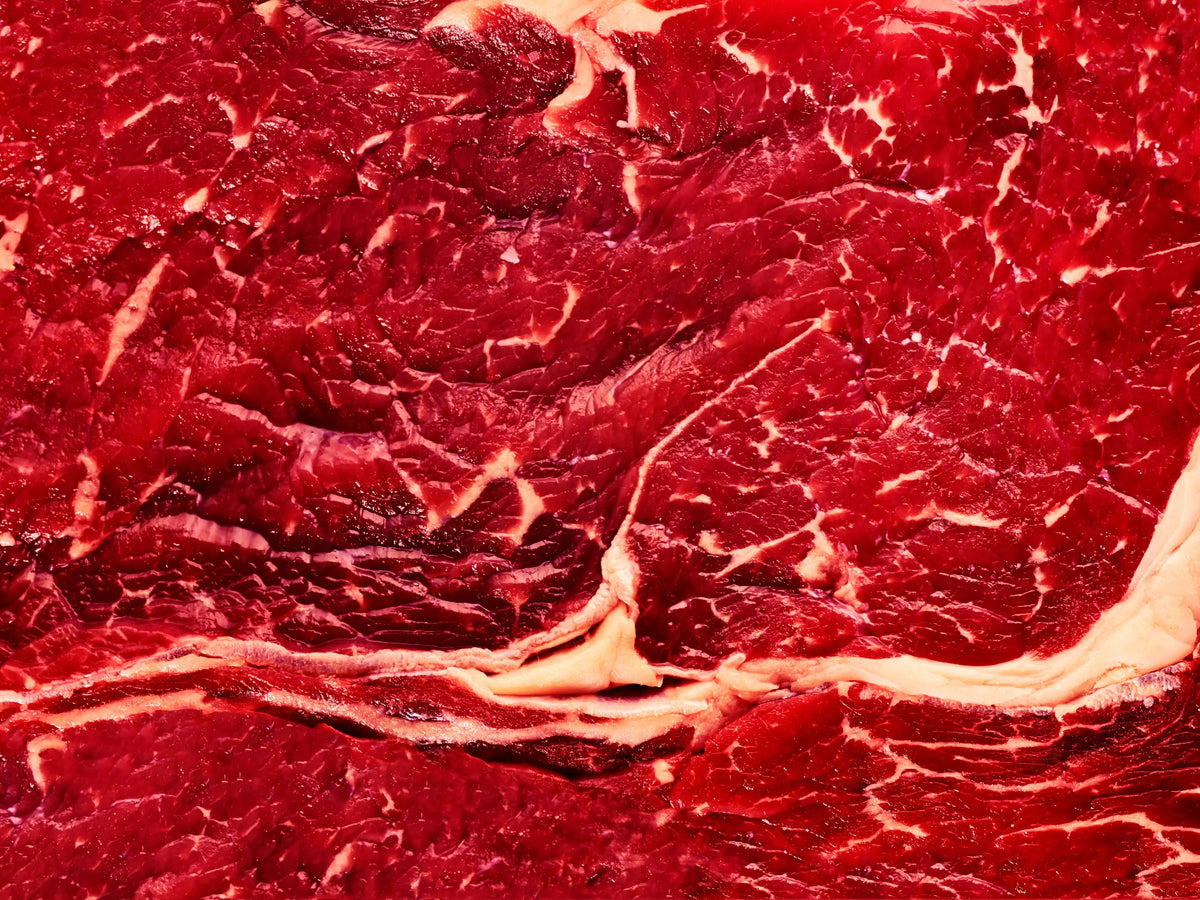
The ingredient list, the cut surface and the way it behaves in the pan say more about a sucuk than any packaging. How to recognise good quality.